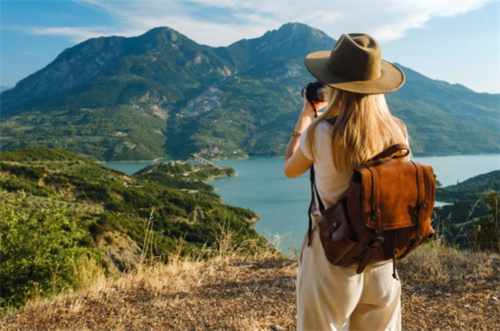
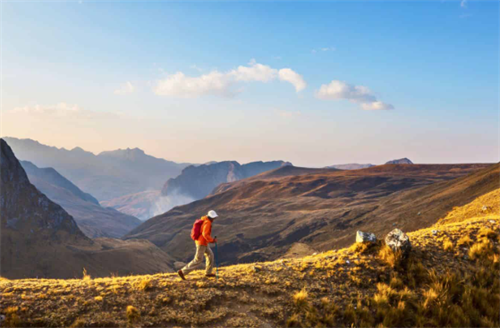
Hiking is more than just a walk in nature—it’s a personal challenge, a chance to reset your mind, and a gateway to experiencing landscapes in their purest form. Whether you’re new to lacing up your boots or already chasing high-altitude summits, the world offers a vast array of trails that cater to every skill level. From gentle strolls across alpine meadows to demanding treks through rugged mountain ranges, there’s always a path waiting to test both your legs and your spirit.
In this guide, we’ll explore some of the best hiking routes across the globe, categorized from beginner-friendly to professional-level challenges. Each destination not only offers physical adventure but also cultural encounters, natural wonders, and memories that will last a lifetime.
For Beginners: Gentle Introductions to Hiking
If you’re new to hiking, the key is to start with trails that are scenic, safe, and not too physically demanding. These routes allow you to build stamina while enjoying the beauty of the outdoors.
1. Lake Louise Lakeshore, Banff National Park, Canada
Distance: 4 km (round trip)
Time: 1–2 hours
Highlights: Turquoise glacial waters, snow-capped peaks, family-friendly paths
This iconic trail is perfect for beginners who want to experience Canada’s Rockies without diving into steep climbs.The trail meanders along the edge of Lake Louise, revealing picture-perfect views of Victoria Glacier and the surrounding peaks.Benches along the trail make it ideal for slow strolls, photography breaks, or even a lakeside picnic.
2. Tongariro Alpine Crossing (First Section), New Zealand
Distance: Flexible, up to 6 km for beginners
Time: 2–3 hours for a short hike
Highlights: Volcanic terrain, emerald lakes, Lord of the Rings filming locations
While the full Tongariro Crossing is a challenging 19 km trek, beginners can enjoy the first section, which offers relatively easy terrain and sweeping volcanic views. You’ll walk through unique landscapes shaped by eruptions, with jagged craters and lava fields providing a taste of New Zealand’s dramatic scenery.
3. Cinque Terre Trails, Italy
Distance: Varies, 2–5 km between villages
Time: 1–3 hours per section
Highlights: Colorful cliffside towns, Mediterranean sea views, vineyard terraces
For those who want a blend of culture and light hiking, Cinque Terre’s coastal trails are ideal. The best-known route, the Sentiero Azzurro, links the five pastel-hued villages through relatively easy walking trails.Reward yourself with gelato, seafood pasta, or a glass of local white wine after a seaside stroll.
Intermediate Hikers: Building Endurance and Adventure
Once you’ve gained some hiking experience, you may be ready for more demanding trails that combine longer distances with moderate climbs. These routes offer adventure without pushing you into extreme territory.
1. Inca Trail to Machu Picchu, Peru
Distance: 42 km (4 days)
Time: Multi-day trek
Highlights: Ancient Inca ruins, cloud forests, sunrise over Machu Picchu
The Inca Trail isn’t merely a hike; it’s a step back through history.The trail winds through lush valleys, over high passes, and past ancient ruins before culminating in the unforgettable view of Machu Picchu at sunrise. While the trek requires good stamina, it’s accessible to most hikers with preparation. The cultural and historical depth makes this one of the most rewarding hikes in the world.
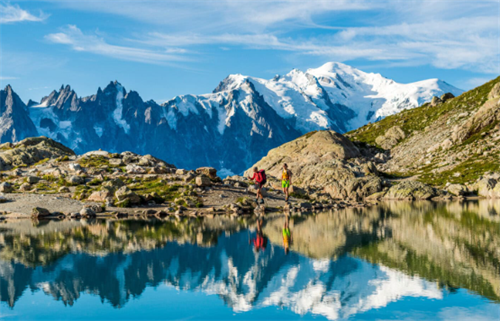
2. Tour du Mont Blanc, France/Italy/Switzerland
Distance: 170 km (11 days)
Time: Multi-day circuit
Highlights: Sweeping Mont Blanc vistas, charming alpine villages, and rich cultural diversity.
This classic European trek loops around the Mont Blanc massif, crossing three countries. It’s a physically demanding route with plenty of climbs and descents, but the well-maintained trails, cozy mountain huts, and the constant backdrop of glaciers make it manageable for intermediate hikers. You’ll enjoy fondue in Switzerland one day and fresh Italian pasta the next.
3. Half Dome, Yosemite National Park, USA
Distance: 23 km round trip
Time: 10–12 hours
Highlights: Granite cliffs, waterfalls, cable-assisted summit
Half Dome is not for the faint of heart, but with proper fitness and determination, it’s an incredible challenge for intermediate hikers aiming to push themselves further. The final ascent involves steel cables that help you climb the iconic dome, rewarding you with sweeping views of Yosemite Valley. Permits are required, so plan ahead.
Advanced Hikers: Testing Strength and Skills
Advanced trails often involve long distances, altitude challenges, or rugged terrain. They require solid fitness, mental endurance, and sometimes specialized equipment.
1. Everest Base Camp Trek, Nepal
Distance: 130 km (12–14 days)
Time: 2 weeks with acclimatization
Highlights: Breathtaking Himalayan vistas, immersive Sherpa culture, and the awe of standing at Everest’s base.
For many, trekking to Everest Base Camp is the ultimate adventure. The trail winds through villages, suspension bridges, and monasteries before reaching 5,364 meters at the base of the world’s tallest mountain. While you won’t climb Everest itself, the altitude and length make this a serious endeavor. Preparation and acclimatization are crucial, but the reward—gazing at Everest towering above you—is unforgettable.
2. The Overland Track, Tasmania, Australia
Distance: 65 km (6 days)
Time: 6–8 days with side trips
Highlights: Cradle Mountain, alpine lakes, wildlife encounters
Tasmania’s Overland Track is a wilderness experience through diverse landscapes—glacial valleys, mossy rainforests, and alpine plateaus. Weather can shift quickly, so having the right gear is crucial.While challenging, the track is well-marked, and hikers are rewarded with some of the world’s most pristine natural environments.
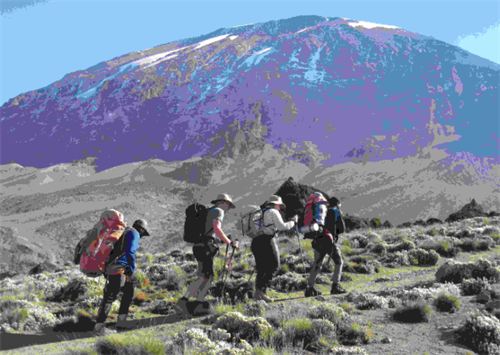
3. Kilimanjaro, Tanzania
Distance: 55–75 km depending on route
Time: 5–9 days
Highlights: The highest peak in Africa, breathtaking sunrises above the clouds, and glaciers right at the equator.
Mount Kilimanjaro is one of the few major summits in the world that doesn’t require technical climbing. Still, at 5,895 meters, altitude sickness is a real risk. Multiple routes offer varying levels of difficulty, with the Machame Route being the most popular. Standing on the “Roof of Africa” as the sun rises is one of the greatest rewards a hiker can achieve.
For Professionals: Extreme Adventures That Demand Everything
These routes are for highly skilled hikers and mountaineers. These treks feature challenging terrain, rapidly changing weather, and high physical demands.Attempting them requires training, experience, and often a guide.
1. Snowman Trek, Bhutan
Distance: 347 km (25–30 days)
Time: 4–5 weeks
Highlights: Remote Himalayan passes, Buddhist culture, untouched wilderness
Known as one of the hardest treks in the world, the Snowman Trek crosses 11 high passes, many above 5,000 meters. The combination of distance, altitude, and isolation makes it suitable only for seasoned adventurers. Along the way, you’ll encounter ancient monasteries, yak herders, and some of the world’s least-trodden mountain trails.
2. Drakensberg Grand Traverse, South Africa/Lesotho
Distance: 220 km
Time: 12–16 days
Highlights: Basalt cliffs, remote plateaus, high-altitude wilderness
The Drakensberg Grand Traverse is an unmarked, self-navigated route that demands excellent orienteering and survival skills. Hikers face steep ascents, river crossings, and exposure to harsh weather.
3. The Great Himalaya Trail, Nepal
Distance: 1,700 km
Time: 150–170 days
Highlights: Crossing the entire length of Nepal, remote villages, diverse ecosystems
This isn’t just a hike—it’s an odyssey. The Great Himalaya Trail spans Nepal, winding through lofty passes, secluded valleys, and regions rich in culture.Only professional-level trekkers attempt the full route, though shorter sections are accessible for advanced hikers. Completing the entire trail is a once-in-a-lifetime achievement, testing the very limits of endurance.
Tips for Choosing the Right Trail:
Assess your fitness honestly. Don’t overestimate your ability. Start small and work your way up.
Research trail conditions. Weather, altitude, and terrain can drastically change difficulty.
Gear up properly. Comfortable boots, layered clothing, and hydration systems are essential.
Respect nature and culture. Adhere to Leave No Trace principles and honor local traditions.
Consider guided tours. On demanding treks, bringing a guide not only boosts safety but also deepens your cultural insight.
Hiking offers one of the most intimate ways to experience travel.Unlike cities, which can be rushed through in a weekend, trails demand time, effort, and presence. Whether you’re wandering around Lake Louise’s turquoise waters or pushing yourself across Bhutan’s high passes, every step is part of a larger journey—not just across landscapes, but within yourself.
Recommend:
Top 10 Hidden Gems of Small Islands in Southeast Asia: Scenic Beauty, Low Population, and Exceptionally High Value for Money

Mastering Animal Photography: Capture Stunning Moments of Wildlife
Unlock the Power of Composition: A Photographer’s Guide to Creating Visually Stunning Images

Hotel Booking Hacks: How to Avoid Common Pitfalls