Traveling or working abroad is an exciting adventure, but unexpected issues can quickly turn excitement into stress. Lost passports, missing luggage, missed flights, or sudden illness—these scenarios are daunting, especially in a foreign country where language and customs may be unfamiliar. The key to staying calm? Preparation and knowing exactly what to do. This guide breaks down the most common travel emergencies, step-by-step solutions, and critical tips to keep you safe.
1. The Dreaded Lost Passport or Wallet
Prevention is Your First Defense.Before you even leave home, take these simple steps:
1) Digital Backups: Take clear photos or make photocopies of your passport, visa, driver's license, and travel insurance documents. Email them to yourself and a trusted family member back home. Store these photos in a secure cloud folder for easy access from anywhere.
2) Separate Your Valuables: Never carry your passport and wallet in the same bag. Use a hotel safe for your passport when you don't need it. Spread cash and cards between your travel companion and different bags (e.g., one in your daypack, one in your suitcase).
3) Stash Emergency Cash: Keep a small amount of emergency cash hidden separately from your main wallet—a classic tip is to roll it up and store it in an empty lip balm container.
If It Happens: Stay Calm and Follow These Steps
1) Report the Loss: Immediately report a stolen passport or wallet to the local police. Obtain a copy of the police report; this is crucial for insurance claims and as supporting documentation for your embassy.
2) Contact Your Embassy/Consulate: This is your top priority for a lost passport. Find the nearest embassy or consulate of your home country. They can issue an emergency travel document (often called an Emergency Passport or Certificate of Identity) that will allow you to return home. This process is faster than a full passport renewal but requires your ID photos and the police report.
3) Cancel Cards: If your wallet is stolen, immediately call your bank and credit card companies to cancel your cards and prevent fraudulent charges.
2. Canceled or Missed Flights
Flight disruptions are increasingly common. Your rights and options depend on the reason for the cancellation (airline fault vs. weather/air traffic control).
If Your Flight is Canceled:
1) Don't Leave the Airport: Head directly to your airline's customer service desk or gate agent. Be polite but firm. The airline is contractually obligated to get you to your destination.
2) Know Your Rights (Especially in the EU/UK): If your flight departs from or arrives in the European Union or the UK on an EU/UK carrier, you are protected under EC 261 regulations. This can entitle you to significant compensation (often €250-600) for cancellations within the airline's control, in addition to meals, accommodation, and rebooking.
3) Call While You Queue: As you wait in line, simultaneously call the airline's customer service number. You might get through to an agent faster on the phone.
4) Explore Your Options: Ask the agent for all available re-routing options, even on partner airlines. Check your airline's app—sometimes you can rebook yourself faster digitally.
5) Keep All Receipts: If the cancellation leads to an unexpected overnight stay and the airline is at fault, keep receipts for meals, toiletries, and transport. You may be able to claim these expenses later.
If You Miss Your Flight:
This is trickier, as airlines are not obligated to help. Your best bet is to:
1) Call Immediately: Explain your situation calmly. If it's due to a late connecting flight on the same airline, they will typically rebook you on the next available flight at no charge.
2) Check Your Travel Insurance: Many comprehensive policies cover costs associated with missing a flight due to circumstances like a documented traffic accident or severe weather on the way to the airport.
3. Lost or Delayed Luggage
Prevention Tips:
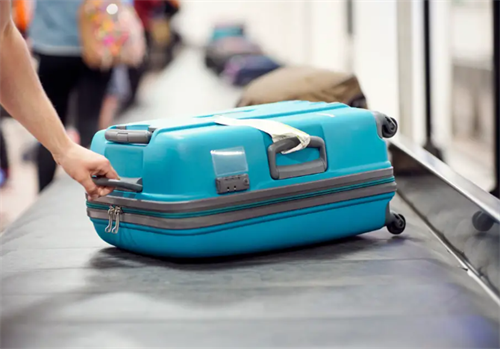
1) Never Check Essentials: Medications, valuable electronics, jewelry, important documents, and a change of clothes should always be in your carry-on.
2) Make It Identifiable: Use a distinctive luggage tag with your phone number and email. Further personalize your bag with a bright strap, unique sticker, or ribbon to make it easy to spot on the carousel and hard to accidentally take.
3) Take a Photo: A quick picture of your checked bag can help airline staff identify it if it goes missing.
If Your Bag Doesn't Arrive:
1) Report It Before Leaving the Airport: Do not leave the baggage claim area. Go directly to the airline's Baggage Service Office (BSO). File a Property Irregularity Report (PIR). Ensure they take your local address and phone number. Get a copy of the report and a reference number.
2) Know What's Covered: Airlines are required to compensate you for reasonable expenses incurred due to delayed baggage (e.g., buying essential clothing and toiletries). Keep all receipts. They will often have a daily spending limit.
3) Track It: Use the reference number to track your bag's status online or via the airline's app.
4) Permanent Loss: If your bag is declared lost, you will need to submit a claim with a detailed list of contents and their value. This is where photos of your packed suitcase and receipts for expensive items become invaluable. Your travel insurance may provide additional coverage beyond the airline's liability.
4. Getting Sick or Injured
Preparation:
Travel Insurance is Non-Negotiable: This is the single most important thing you can do. Ensure your policy covers medical evacuation, which can cost tens of thousands of dollars without insurance.
Pack a Smart Medical Kit: Include prescription medications (in their original containers), pain relievers, anti-diarrheal medication, antihistamines, bandaids, antiseptic wipes, and any personal medical supplies.
Research Local Healthcare: Know the name and location of a reputable clinic or hospital at your destination.
If You Need Medical Help:
For minor issues, a local pharmacist can often provide excellent advice and over-the-counter solutions.
For serious emergencies, call the local emergency number (e.g., 112 in the EU, 911 in North America).
Contact your travel insurance company's 24/7 emergency assistance line immediately. They can direct you to approved medical facilities, guarantee payments, and arrange for medical evacuation if necessary.
For minor issues, your country's embassy can often provide a list of local English-speaking doctors.

5. The Universal Lifeline: Key Phone Numbers
Program these numbers into your phone before you travel:
1) Local Emergency Number: (e.g., 911, 112, 999)
2) Your Country's Embassy/Consulate: Find the direct line for the emergency after-hours duty officer.
3) Your Bank & Credit Card Companies:Your Travel Insurance Provider's Emergency Line: This is arguably as important as your embassy's number.
For citizens of many countries, specific emergency services exist:
1) U.S. Citizens: The Smart Traveler Enrollment Program (STEP) and the Overseas Citizens Services hotline.
2) Canadian Citizens: The Registration of Canadians Abroad service and the Emergency Watch and Response Centre.
3) UK Citizens: The Foreign, Commonwealth & Development Office (FCDO) contact details.
4) Australians: The Smartraveller program and the 24-hour consular emergency centre.
Final Tips for a Safe Trip:
1. Share Your Itinerary: Send a copy of your flight details, hotel addresses, and daily plans to family or friends. Check in with them regularly—this helps them locate you if there’s an emergency.
2. Stay Connected: Buy a local SIM card or activate international roaming. Ensure your phone has enough battery—carry a portable charger.
3. Respect Local Customs: Learning basic phrases (e.g., “hello,” “thank you”) and following local rules (e.g., dress codes in temples) can prevent misunderstandings and keep you safe.
Travel emergencies are unpredictable, but being prepared turns panic into action. With this guide, you’ll know how to handle lost documents, missing luggage, and unexpected crises—so you can focus on enjoying your trip.
Recommend:
Does a drone fly higher, does the resulting photo quality get better?

How to Dress Stylishly for Travel: 10 Years of Insights Shared

Hotel Booking Hacks: How to Avoid Common Pitfalls
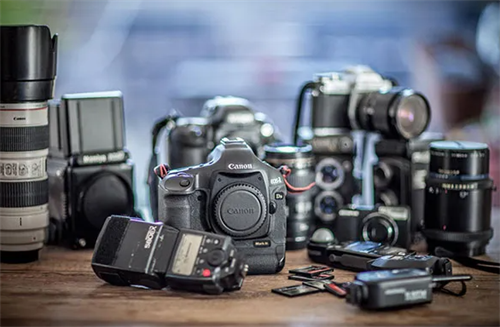
What type of photographic equipment has a higher rate of retaining its value?