
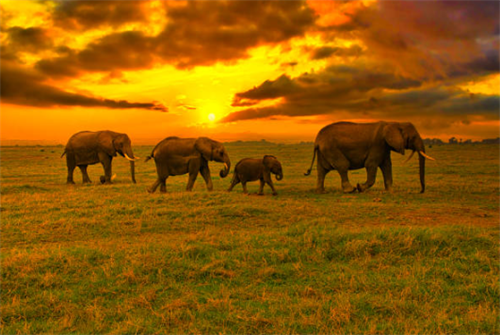
If there’s one place in Africa that lives up to the raw and wild imagination of safari lovers across the globe, it’s the Masai Mara National Reserve in Kenya. Known as the “Kingdom of the Big Cats” and the stage for the Great Migration, the Mara is a place where life and death unfold daily under the golden African sun. Here, predators rule, herds thunder across the savanna, and sunsets turn the horizon into a painted canvas.
This guide is designed to help you plan a complete safari journey through Masai Mara—whether you’re looking for thrilling game drives, luxury tented camps, cultural encounters, or simply the chance to witness one of nature’s most extraordinary spectacles.
Why Masai Mara?
The Masai Mara isn’t just a national reserve—it’s a globally renowned ecosystem.Covering about 1,500 square kilometers, this expanse of grassland, dotted with acacia trees and riverine forests, is home to an unparalleled density of wildlife.
Highlights include:
-The Big Five: lion, leopard, elephant, buffalo, and rhino.
-The Great Migration: over 1.5 million wildebeest, along with hundreds of thousands of zebras and gazelles, crossing the Mara River each year.
-Predator action: the Mara has one of the highest concentrations of lions in the world, alongside cheetahs and leopards.
-Cultural heritage: the Maasai people, with their vibrant traditions and way of life, live in harmony with this wilderness.
When to Visit Masai Mara?
The beauty of the Mara is that it’s a year-round destination. But depending on what you want to see, certain times of the year are better:
-July to October: The Great Migration season. This is the prime time to witness dramatic river crossings and massive herds. Expect higher prices and more visitors.
-December to February: Predator season. The grass is shorter, and predators like lions and cheetahs are easier to spot. Excellent for photography.
-March to June: March to June marks the “green season,”when rains blanket the plains in vibrant greenery. It’s a quieter time with fewer visitors, reduced prices, and an abundance of birdlife.While the migration isn’t present, game viewing is still excellent.
If your dream is the migration, plan for August–September, when river crossings are at their peak.
How to Get There?
-By Air: The easiest and fastest way is a small charter flight from Nairobi’s Wilson Airport to one of the Mara’s airstrips (such as Ol Kiombo or Keekorok). Flight time: about 45 minutes.
-By Road: A 5–6 hour drive from Nairobi, covering about 270 kilometers. The road journey allows you to see rural Kenya, but be prepared for bumpy stretches.
Many safari operators will arrange transport as part of your package.
Where to Stay: Camps and Lodges?
The Masai Mara offers a range of accommodations to suit every traveler—from budget-friendly camps to ultra-luxury lodges.
1. Luxury Tented Camps
These are for travelers who want comfort without losing the authentic safari atmosphere. Picture spacious canvas tents with en-suite bathrooms, private decks overlooking the savanna, and gourmet dining under the stars. Popular options include:
Angama Mara
Mara Plains Camp
Governor’s Camp
2. Mid-range Lodges
Great for those who want comfort at a more affordable price. These lodges often have pools, buffets, and guided safari packages. Options include:
Mara Serena Safari Lodge
Ashnil Mara Camp
3. Budget Camps
Simple tents or bandas with shared facilities. Perfect for backpackers or those who want to spend more time on the game drives and less on accommodation.
No matter where you stay, nights in the Mara are unforgettable—the sounds of roaring lions, laughing hyenas, and chirping crickets are your lullabies.
Safari Activities in Masai Mara:
1. Game Drives
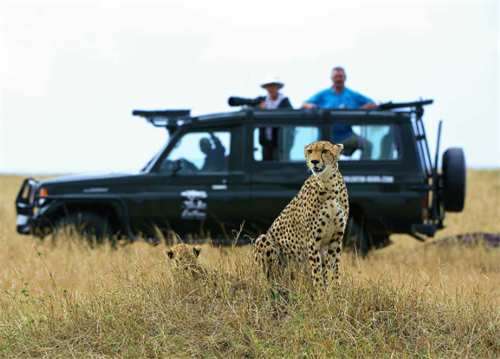
The classic way to experience the park. Morning drives start at dawn, when predators are most active, while evening drives often end with a sundowner—a drink in hand as the sun sinks into the horizon.
2. The Great Migration
Watching thousands of wildebeest cross the crocodile-infested Mara River is one of the most thrilling sights in the natural world. The panic, the splashes, the survival instincts—it’s raw drama.
3. Hot Air Balloon Safari
Imagine floating silently above the plains as the sun rises, animals moving below like miniatures in a grand diorama. The balloon ride ends with a champagne breakfast in the bush. Priceless.
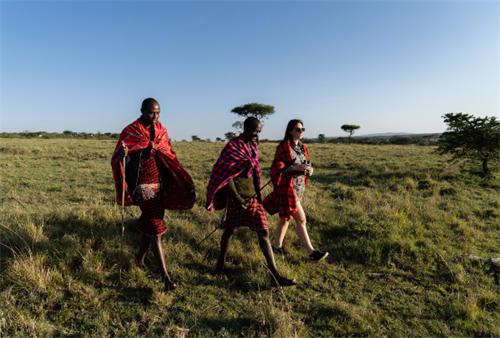
4. Walking Safaris
With expert guides, you can leave the vehicle behind and experience the bush on foot. Every sound and track tells a story. It’s humbling and thrilling.
5. Cultural Visits
Visit the Maasai in their traditional manyattas (homesteads) and experience their way of life.Learn about their traditions, beadwork, and warrior dances. It’s an enriching human connection alongside the wildlife encounters.
Wildlife to Look Out For:
-Lions: The stars of the Mara. The reserve is famous for the Marsh Pride, featured in documentaries.
-Cheetahs: Open plains make it one of the best places to see these speedsters in action.
-Leopards: More elusive but often spotted lounging in trees.
-Elephants: Majestic herds roaming gracefully.
-Hippos and Crocs: Common along the Mara River.
-Birdlife: Over 450 species, from lilac-breasted rollers to vultures.
Tip: Don’t only chase the Big Five. The smaller creatures—mongoose, bat-eared fox, or secretary bird—add to the richness of your safari.
Practical Tips for Your Safari
1. Pack Smart
Neutral-colored clothing (avoid bright colors).
A good camera with zoom lens.
Binoculars.
Sunscreen, hat, and insect repellent.
A light jacket for cool mornings and evenings.
2. Health and Safety
Consult your doctor about malaria prophylaxis and required vaccinations before traveling.
Drink bottled or filtered water.
Always follow your guide’s instructions—it’s wild nature out there.
3. Money and Costs
Park fees: around $80 per adult per day for non-residents.
Tipping is customary—guides, drivers, and camp staff appreciate it.
Safaris can range from $200/day (budget) to $1,000+/day (luxury).
4. Photography Etiquette
Don’t pressure guides to get too close. Respect the animals’ space.
Turn off flash when photographing wildlife.
Sunrise and sunset light make for the most stunning shots.
Sample Itinerary: 4 Days in Masai Mara
Day 1: Arrival, check into your camp, afternoon game drive, sundowner on the plains.
Day 2: Early morning game drive, breakfast in the bush, optional cultural visit, evening game drive.
Day 3: Full-day game drive with packed picnic—track the Great Migration herds, watch predators in action. Return for campfire stories.
Day 4: Hot air balloon ride at dawn, champagne breakfast, final game drive, departure.
This short itinerary can be extended with add-ons like Amboseli (elephants with Kilimanjaro backdrop) or Serengeti in Tanzania.
Beyond the Safari: Cultural Immersion
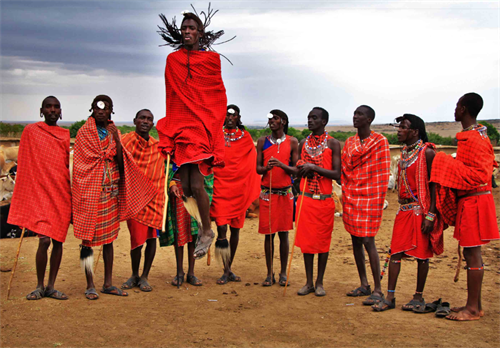
No safari in the Masai Mara feels complete without learning about the Maasai people, the community after whom the reserve is named.Dressed in red shukas, adorned with beadwork, and renowned as fierce warriors, the Maasai embody resilience and tradition.
Visiting a Maasai village allows you to:
-Watch traditional dances and ceremonies.
-Learn about their cattle-centered lifestyle.
-Support community initiatives by purchasing handicrafts.
These encounters remind visitors that the Mara is not only about animals, but also about people who have coexisted with this wilderness for centuries.
Sustainable Safari: Traveling Responsibly
Tourism sustains the conservation of the Masai Mara, but traveling responsibly is essential.
Choose eco-conscious lodges that use solar power and minimize waste.
Respect animal behavior—don’t crowd or chase them.
Choose to support local communities by purchasing handmade crafts directly from artisans, and reduce waste by avoiding single-use plastics.
Traveling with this kind of care helps safeguard the Mara’s future.
The Kingdom Journey: What Makes It Special
The Masai Mara stands out not only for its incredible concentration of wildlife, but also for the profound feeling it leaves within you.Sitting quietly in an open jeep, watching a pride of lions wake up to the morning sun, or hearing the earth tremble as wildebeest storm across the plains, you realize you’re witnessing nature in its purest form.
The Mara is a stage where every animal plays its role—predators and prey, birth and death, survival and adaptation. It’s a kingdom in motion, and as a traveler, you’re both spectator and participant in this timeless drama.
Recommend:
Extreme Sports Travel Checklist: Skydiving, Paragliding, Bungee Jumping – Which One Are You Up For?
African Safari Complete Guide: Witnessing the Kingdom Journey in Masai Mara

How to Dress Stylishly for Travel: 10 Years of Insights Shared
Important Safety Tips and Destination Recommendations for Solo Female Travelers